Looted art in the collection

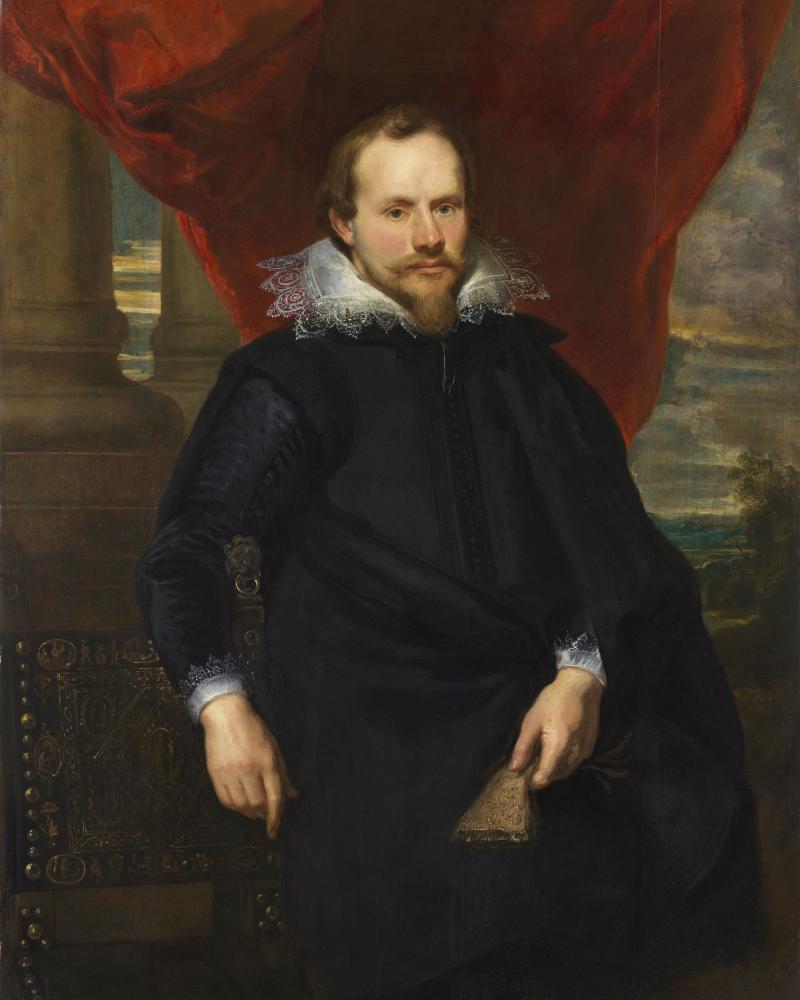
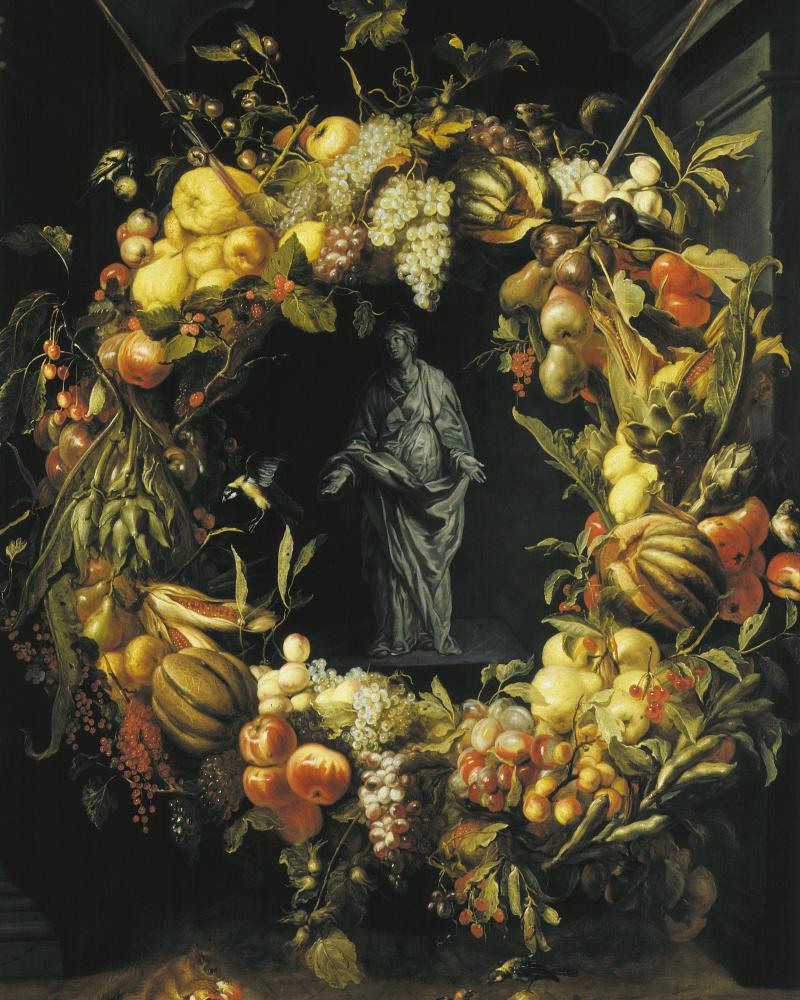
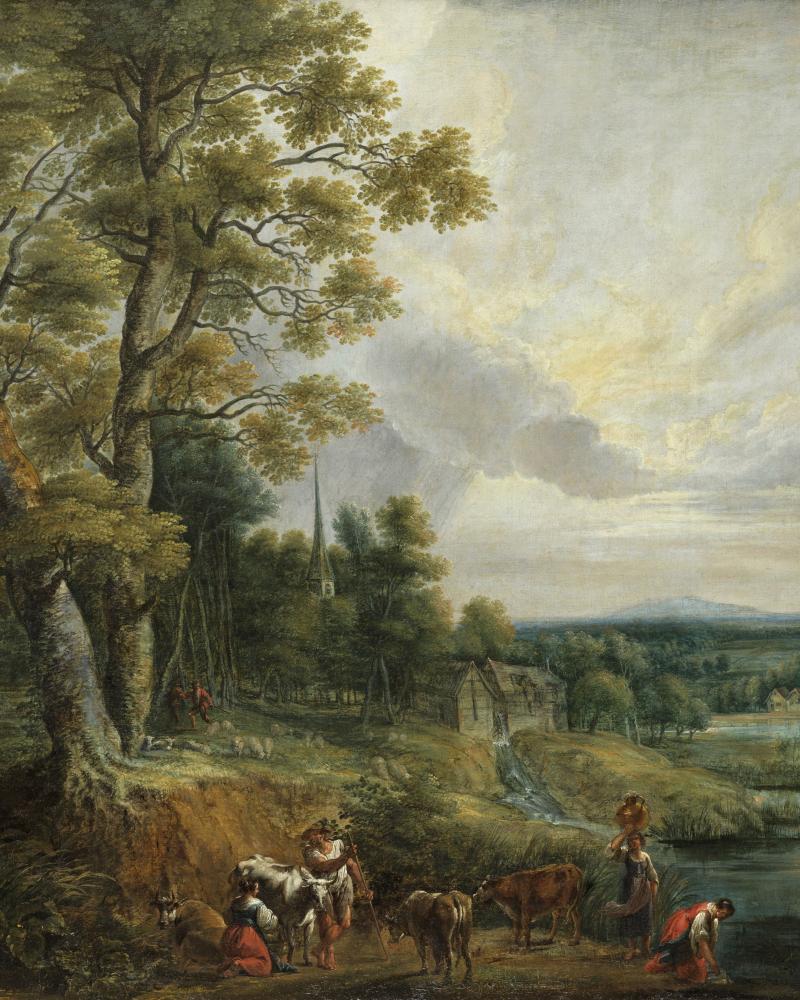
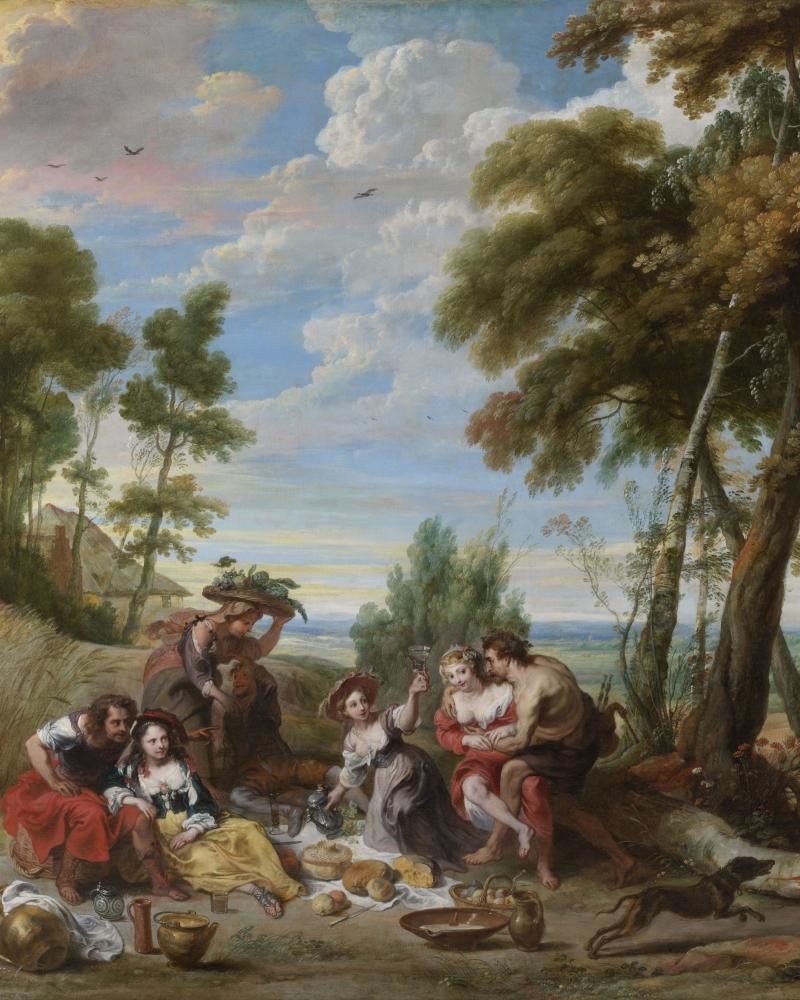
The current art collection mainly consists of donations, bequests and acquisitions. However, some works ended up in the collection for completely different reasons. In 1951, the museum received eight paintings that had been confiscated by the Nazis during World War II. 
Looted art in the collection

Known artists, unknown owners 

They include works by Jordaens, Snijders, Van Uden and Wildens, among others, which were recovered after the liberation.  At the time, the Service for Economic Recovery (DER) was tasked with returning abandoned, looted or stolen works of art and cultural goods to their rightful owners or heirs. Because the provenance of 78 items could not be clearly established, the DER distributed them among 11 public institutions for safekeeping.

American agreement 

One such institution was the Rubenshuis, where the eight paintings assigned to it are kept to this day. At the 1998 Washington Conference on Holocaust-Era Assets, Belgium endorsed the conference’s Principles on Nazi-Confiscated Art. Since then, museums and cultural institutions have cooperated with the Study Commission on Jewish Assets and the Indemnification Commission to irrefutably determine their provenance.   

Continuing research

Tracking down the original owners took years, unfortunately without concrete leads for the eight pieces in the collection of the Rubenshuis. The paintings were therefore registered in a national database, along with other museum objects with a missing or incomplete provenance. This was done both to ensure transparency about the origins of these artworks and in hopes of filling in the pre-war gaps in their provenance. The Rubenshuis joined forces with the Communities, the federal government, and other relevant institutions and museums for this.  

Call for assistance

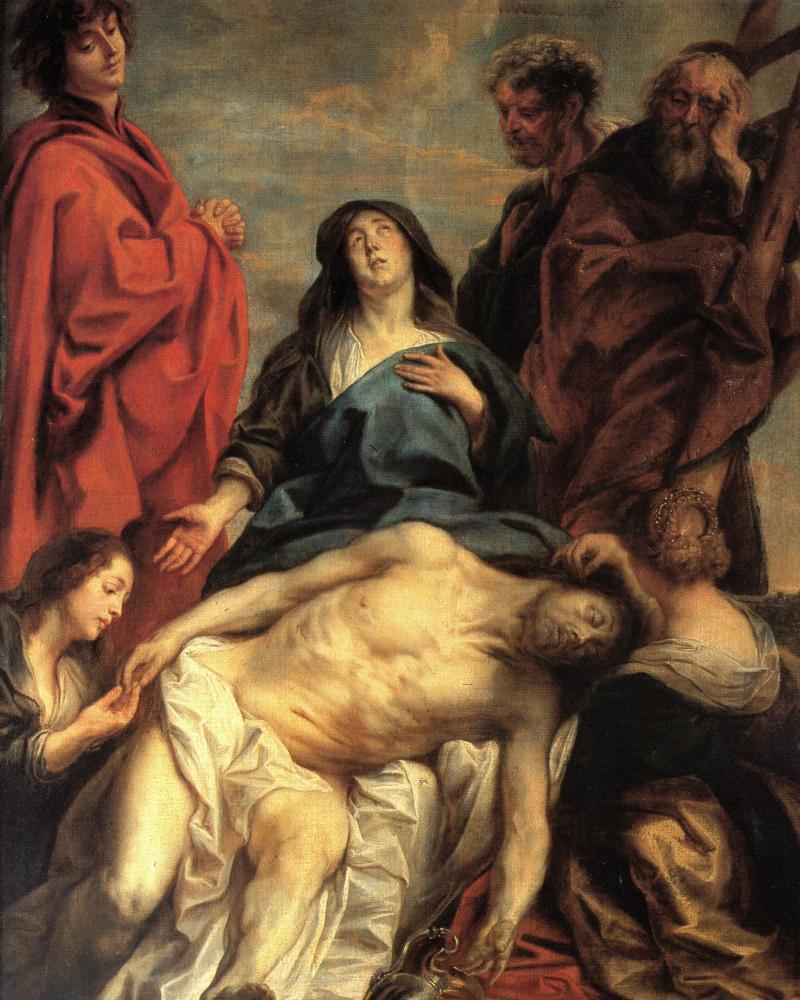
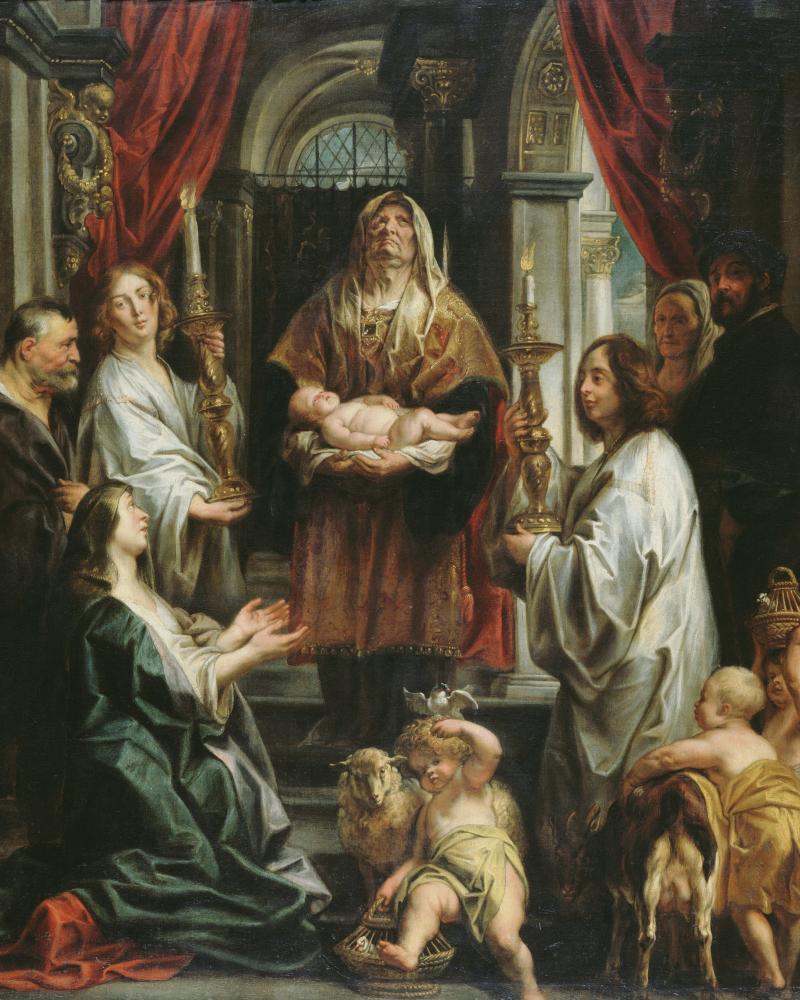
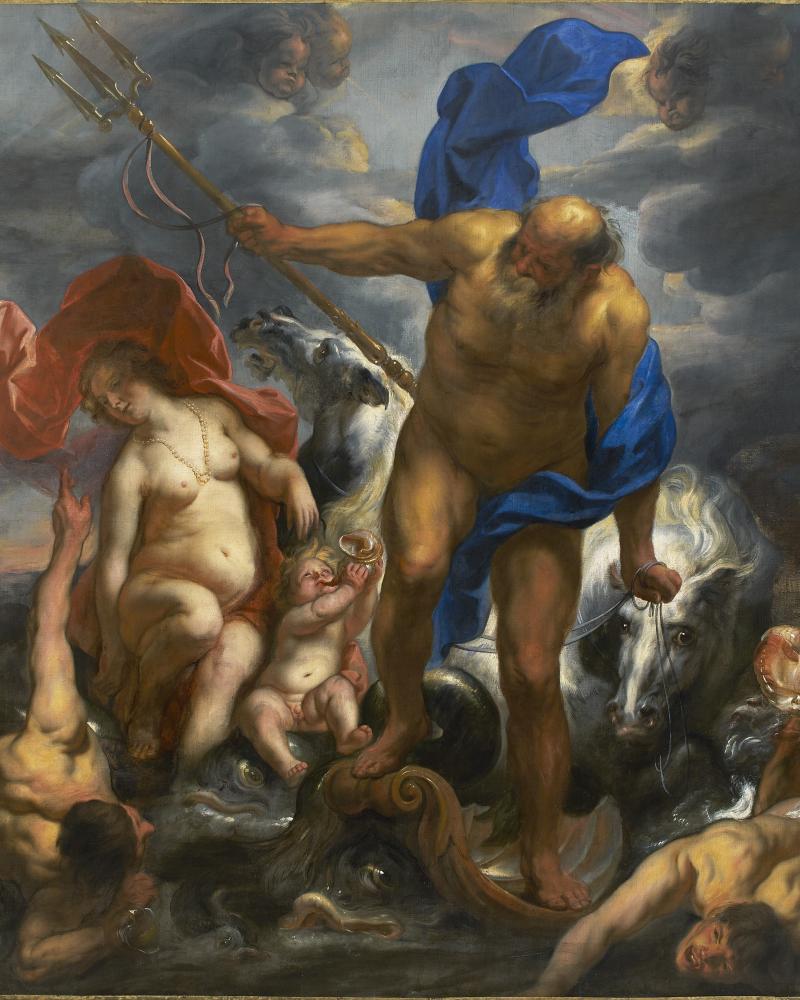
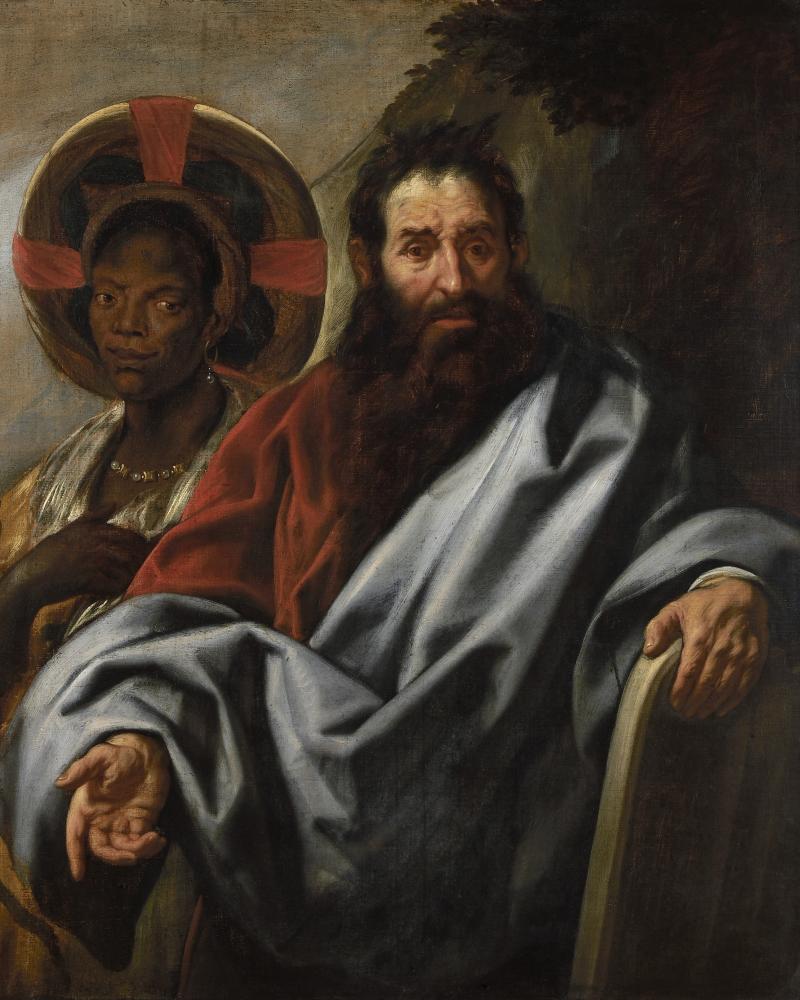
Our sleuthing effort continues unabated, however, meaning tips are more than welcome. Do you have information, images or documents that may help us shed light on the provenance of the eight looted paintings in the collection of the Rubenshuis (see images below)? Please drop us a line at rubenshuis@antwerpen.be and help us unravel this mystery.  

Unknown artist, Portrait of a Man, 17th century, Flemish Community Collection, permanently housed at the Rubenshuis, public domain
Frans Snijders, Fruit Wreath with Our Lady in grisaille, 1630, Flemish Community Collection, permanently housed at the Rubenshuis, public domain
Lucas van Uden, Landscape with Cows, 1608–1672, Flemish Community Collection, permanently housed at the Rubenshuis, public domain
Jan Wildens and Victor II Wolfvoet, Pastoral, ca. 1644–1652, Flemish Community Collection, permanently housed at the Rubenshuis, public domain
Jacques Jordaens, The Lamentation, ca. 1608-1678, Collection of the Flemish Community, permanently housed at the Rubenshuis, public domain
Jacques Jordaens, The Presentation in the Temple, ca. 1608-1678, Collection of the Flemish Community, permanently housed at the Rubenshuis, public domain
Jacques Jordaens, Neptune and Amphitrite (war art), c. 1648, Flemish Community Collection, permanently housed at the Rubenshuis, public domain
Jacques Jordaens, Moses and his Ethiopian wife (war art), 1645-1650, Flemish Community Collection, permanently housed at the Rubenshuis, public domain
background newsletter section